
How to Get Your Cabinets Clean, Smooth, and Ready for Long-Lasting Results
Proper prep is the key to a smooth, long-lasting finish. If you want great results, you need to clean the cabinets, remove hardware, sand the surfaces, and fix any damage before you start cabinet painting. Skipping these steps often leads to peeling, chipping, or rough texture. A little extra time spent on prep can make your paint job look neat and last for years.
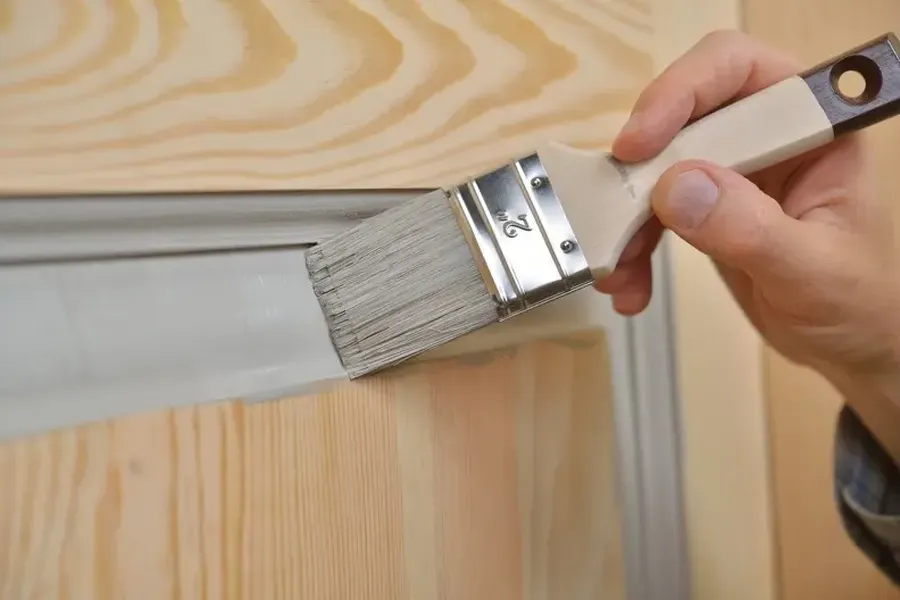
What You Need Before Starting
Before you open a paint can, gather all your tools and supplies. Having everything ready saves time and keeps dust or debris from landing on wet paint later.
- Screwdriver for removing doors and hardware
- Painter’s tape and plastic sheeting
- Degreaser or mild cleaning solution
- Sponges and lint-free cloths
- Sandpaper or sanding sponge (medium and fine grit)
- Wood filler for dents or cracks
- Primer made for cabinets
If your project also falls under home improvement or , check that you have the right products for your cabinet material. Solid wood, laminate, and MDF each need slightly different prep steps.
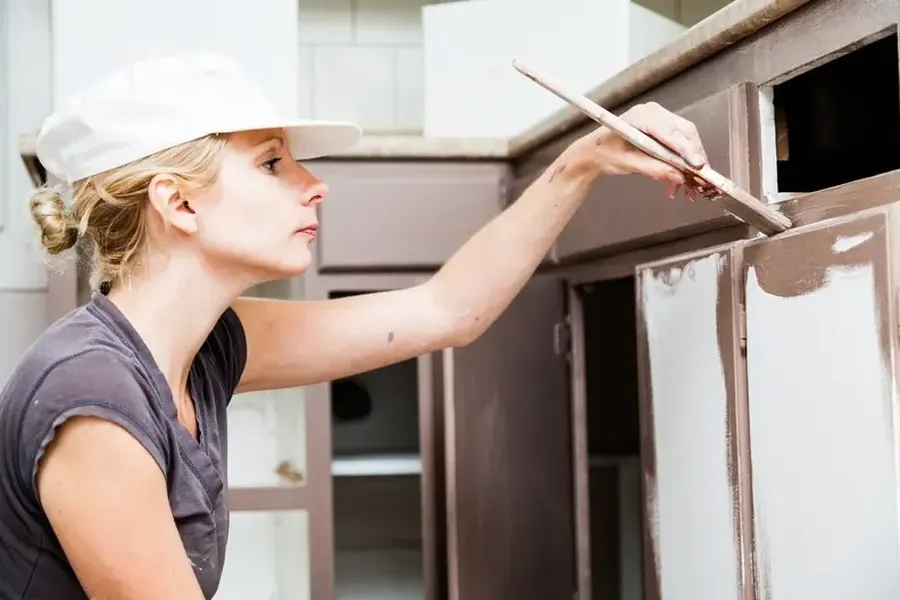
Step-by-Step Preparation Process
Follow these steps in order. Each one builds on the last.
- Remove doors and drawers. Take off all cabinet doors, drawer fronts, and hardware. Label each piece so you know where it goes later.
- Clean every surface. Kitchen cabinets collect grease and dust. Use a degreaser and wipe down all areas. Let everything dry fully.
- Repair damage. Fill dents, scratches, and small holes with wood filler. Once dry, sand the area smooth.
- Sand the surfaces. Lightly sand all cabinet faces, doors, and frames. This helps the primer stick. Wipe away dust with a damp cloth.
- Tape and protect. Cover counters, floors, and nearby walls with plastic. Use painter’s tape along edges.
- Apply primer. Use a bonding primer made for cabinet painting. Let it dry as directed before moving to paint.
Taking doors off and working on a flat surface makes the job easier. It also helps prevent drips.
Common Mistakes to Avoid
Many paint problems start with poor prep. Here are mistakes people often make:
- Painting over grease or dust
- Skipping sanding because the surface looks smooth
- Not using primer on laminate cabinets
- Rushing dry times between steps
- Leaving hardware on during painting
Even high-quality paint will struggle to stick to a dirty or glossy surface. Sanding does not need to be heavy, but it should be thorough. The goal is to dull the shine so primer can grip.
When to Call a Professional
Some cabinet projects are simple. Others are more involved. If your cabinets have deep damage, water stains, or peeling layers of old paint, the prep work can be more complex. Homes with older finishes may also require extra care.
Professional cabinet painting teams use special tools for sanding and spraying. This helps create a factory-smooth finish. They also know how to work with different materials, from oak to thermofoil. If you want a flawless look or have a tight timeline, hiring a crew can save stress and time.
Final Thoughts and Next Steps
Good prep work sets the stage for great cabinet painting results. Clean surfaces, careful sanding, and quality primer all make a big difference. If you are planning a cabinet update in Torrington, CT, we are happy to help guide you through the process. At Tun Painting LLC, our team handles every step with care and attention. Call (860) 505-9747 to schedule a consultation and let us help bring your cabinets back to life.